
This guide is general information, not insurance or legal advice. Coverage, prices and rules vary by insurer and by state, so read your policy documents and check with your insurer, a licensed agent or your state’s department of insurance before you decide.
Key facts
- Standard homeowners, renters and condo policies do not cover earthquake damage; coverage comes as an add-on or a separate policy.
- Rates are often quoted per $1,000 of coverage: less than 50 cents a year in lower-risk areas, and about $3.54 on average in California.
- Many earthquake deductibles fall between 10% and 20% of the coverage limit, which can mean tens of thousands of dollars out of pocket.
- Location is the biggest price driver, followed by soil, home age, construction style and the deductible you choose.
- Retrofitting an older home can earn premium discounts, and California’s Earthquake Brace + Bolt program offers grants of up to $3,000.
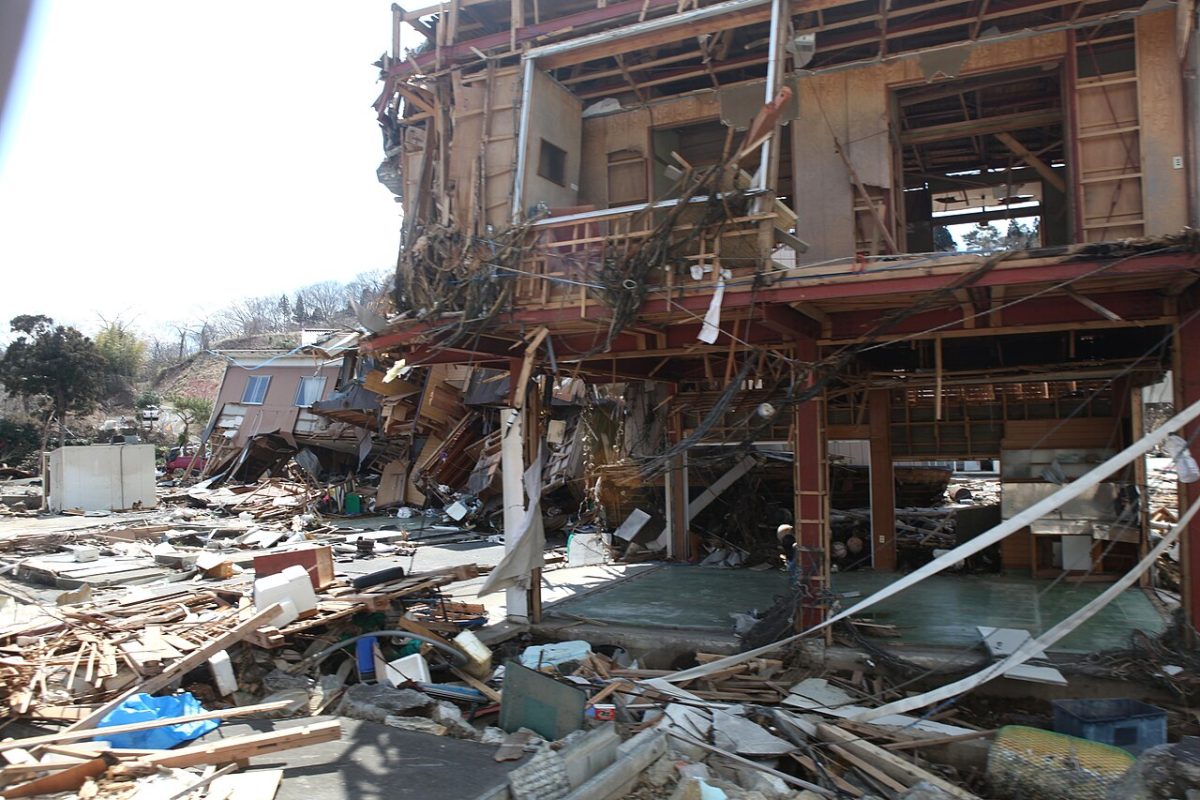
Earthquake damage is one of the gaps people often find late: a standard homeowners, renters or condo policy generally does not cover it. Earthquake coverage is bought separately, either as an add-on or a standalone policy, and its price behaves differently from the rest of your home insurance. Rates swing from less than fifty cents per $1,000 of coverage each year in lower-risk areas to several thousand dollars annually in the riskiest states. Here is what drives that spread.
Why Earthquake Coverage Is Priced Differently From Home Insurance
Fire, theft and wind claims can happen almost anywhere. Earthquake claims concentrate where the ground actually shakes, so insurers price this coverage against geology rather than against general household risk. The USGS lists the factors that shape both the decision to buy and the price: proximity to active faults, the type of building and its foundation, how much earthquake resistance went into the design, the value of the building and its contents, and the cost of the insurance along with restrictions such as the deductible.
Because the underlying risk varies so much from house to house, two neighbors can pay noticeably different premiums for the same amount of coverage. If you are still deciding whether you need this coverage at all, our article on whether homeowners insurance covers earthquakes clears up the most common confusion.
Where You Live: The Biggest Driver of Price
Insurers often quote earthquake rates per $1,000 of coverage, which makes comparison easier:
| Situation | Typical annual cost |
|---|---|
| Lower-risk parts of the country | Less than $0.50 per $1,000 of coverage |
| California (average) | About $3.54 per $1,000 of coverage |
| Overall range | A few hundred dollars to multiple thousands per year |
The gap reflects geology. California holds roughly two-thirds of the nation’s earthquake risk, and the type of soil beneath a house and its distance from fault lines also move the rate. High risk does not stop at the West Coast, though. The New Madrid Seismic Zone in the central United States is another region where earthquakes cluster, and quakes can occur in any location. The USGS publishes seismic hazard maps that show relative hazards across the country, and its Earthquake Information by State pages are a good starting point for local risk.
Percentage Deductibles, Explained With a Simple Example
The deductible is where earthquake policies differ most from ordinary home insurance. Many earthquake deductibles fall between 10% and 20% of your coverage limit, rather than a flat dollar amount. That single detail changes the math on a claim.
Take a home insured for $300,000 with a 15% earthquake deductible. You would pay the first $45,000 of a covered loss before the policy pays anything. The same home with a 20% deductible would absorb $60,000. Higher coverage limits mean larger dollar deductibles even at the same percentage, and you may still need savings or financing to cover that amount after a major quake.
This is worth thinking through before you buy, not after. Our guide to deductible terms to know explains how percentage and flat deductibles compare.
How Your Home’s Age and Construction Change the Premium
After location, the building itself matters most. Older homes generally cost more to insure because they are less likely to meet current seismic building standards. Construction style matters too: the materials, the foundation and the overall way a home was built all affect how well it holds up during shaking.
Insurers look at details you can see in your own basement or crawlspace. Homes without properly bolted sill plates or braced cripple walls tend to take more damage when the ground shakes, which is why the degree of earthquake resistance built into a home is one of the factors the USGS tells buyers to weigh. A wood-frame house and an unreinforced masonry building on the same street can carry very different premiums for the same coverage amount.
What the Policy Typically Covers and Excludes
Earthquake coverage generally pays for repairs to your house and attached structures such as a garage. Renters and condo earthquake policies do not include that building coverage, because the landlord or condo association insures the structure. Depending on the policy, you may be able to add building code upgrades that bring a repaired home up to current safety standards, and condo owners may have access to loss assessment coverage if the association asks unit owners to contribute to repairs in shared spaces.
Common exclusions matter as much as the inclusions. An earthquake policy usually does not cover fires caused by an earthquake, since your homeowners policy should handle those, nor damage to vehicles, which falls under auto insurance. And in California, going without earthquake coverage means no payment for earthquake damage and none of the extra costs of living elsewhere while your home is repaired. For a broader comparison, see what homeowners insurance covers and what it doesn’t.
State Programs and Ways to Change the Price
Some states run their own options. The California Earthquake Authority, or CEA, is a not-for-profit organization that operates under public oversight while drawing its funding from private sources, and it ranks among the largest providers of residential earthquake insurance in the world. You buy a CEA policy through a participating residential insurer, and its premium calculator offers a free estimate. The CEA also cuts premiums for owners of older homes that have been seismically retrofitted, and its Earthquake Brace + Bolt program provides seismic retrofit grants of up to $3,000.
Outside dedicated programs, the levers are similar everywhere: the risk where you live, the coverages and deductible you choose, and steps you take to strengthen the house. Rules and availability vary by state, so check with your state insurance department or a licensed agent.
Smart tip
Before accepting a percentage deductible by default, price several options. A policy with a higher deductible may cost noticeably less per year, but run the dollar math on your own coverage limit so the out-of-pocket amount after a quake does not surprise you.
Shopping around is the other practical step. Costs vary widely between insurers and policy structures, so comparing quotes side by side, with the same coverage limit and deductible in each, shows you the real differences. To keep going, our guide to deductible terms helps you weigh how much risk to keep, and the article on earthquake insurance myths explains how this coverage fits alongside a standard home policy.
Questions we hear
Is earthquake insurance required by law?
There is no state or federal law requiring it in California. However, if you still owe on your mortgage, your lender may require earthquake coverage to protect the property, especially in a high-risk area.
How is an earthquake insurance deductible calculated?
Unlike the flat dollar deductible on a typical home policy, many earthquake deductibles are a percentage of your coverage limit, often between 10% and 20%. On $300,000 of dwelling coverage, a 15% deductible means you pay the first $45,000 of a covered loss.
Does earthquake insurance for renters or condo owners cover the building?
No. The landlord or condo association is responsible for insuring the structure itself. Renters and condo policies cover your belongings, and condo policies may include loss assessment coverage if the association asks unit owners to help pay for shared-space repairs.
Why is earthquake coverage more expensive in California?
California carries about two-thirds of the nation’s earthquake risk, with many known fault lines and seismically active soil. Rates there average roughly $3.54 per $1,000 of coverage, versus less than 50 cents in lower-risk parts of the country.