
This guide is general information, not insurance or legal advice. Coverage, prices and rules vary by insurer and by state, so read your policy documents and check with your insurer, a licensed agent or your state’s department of insurance before you decide.
Key facts
- Report storm damage to your insurer as soon as possible and ask what your deductible, deadlines and coverage limits are.
- Take photos and video, list damaged items, and keep receipts for temporary repairs, which most policies reimburse.
- Do not make permanent repairs before the adjuster inspects the damage, and avoid throwing damaged items away.
- Payouts depend on your deductible and whether your policy pays replacement cost or actual cash value.
- If the settlement seems too low, you can get contractor bids, ask the insurer to reconsider, or contact your state insurance department.
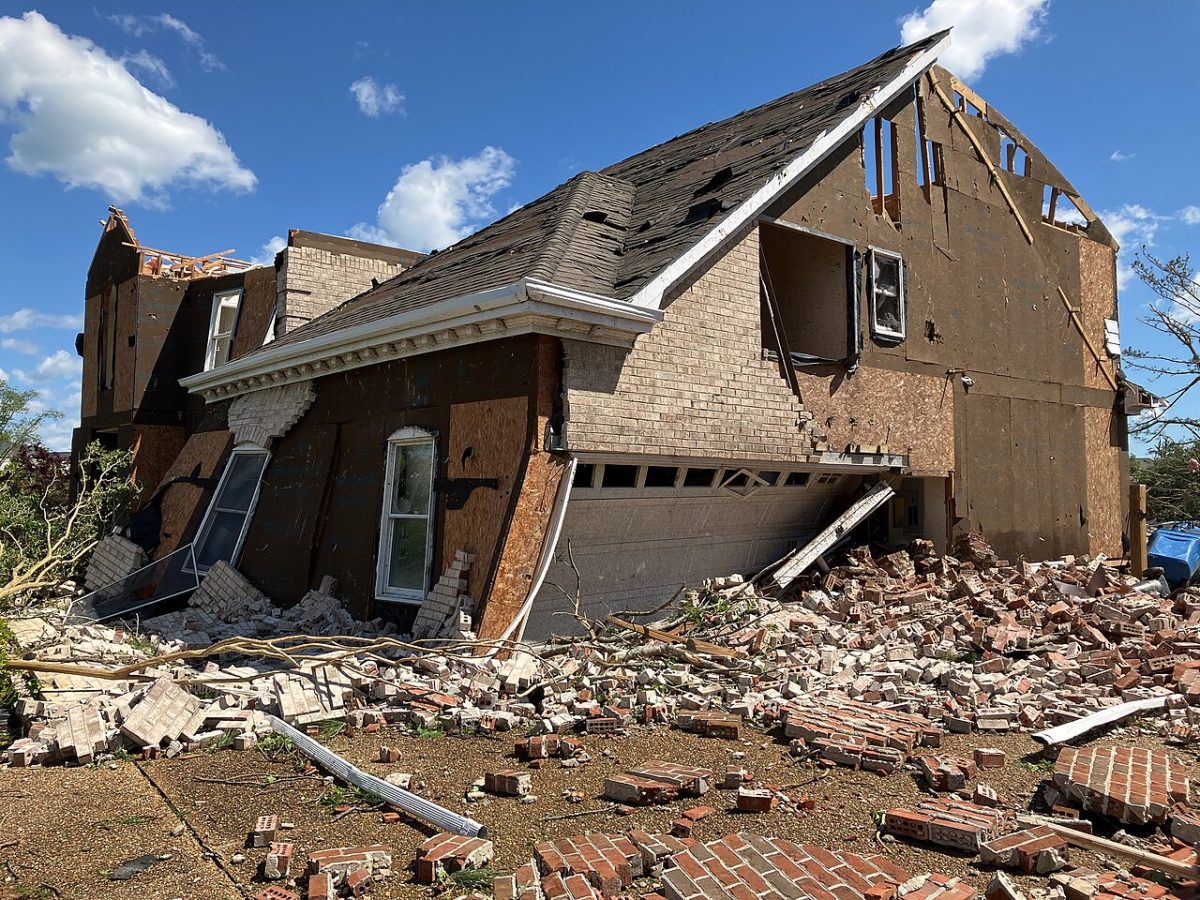
A storm has passed, the roof has taken a beating, and a tree limb is through the window. The claim itself follows a predictable sequence: keep everyone safe, limit further damage, document what happened, then work through the insurer’s process. Knowing that order before you call saves time.
Step 1: Make sure everyone is safe, then prevent further damage
Stay out of harm’s way first. Look over utility lines and appliances for signs of damage. If you notice a gas odor, open the windows and shut off the main gas valve, and leave lights and appliances alone until the smell has cleared. If electrical wires are shorting out, cut the power.
Once it is safe, cover broken windows and roof holes with plastic sheeting or plywood, and remove standing water. Most policies reimburse these temporary repairs, so save every receipt. Do not risk your own safety doing the work, and be wary of contractors who push you to spend heavily on temporary fixes.
One thing not to do yet: permanent repairs. Policies may not cover later damage if you failed to take reasonable steps to secure the property, and insurers expect the adjuster to see the original damage. Temporary repair costs count toward your total settlement.
Step 2: Find your policy and check what it covers
Before you call, locate your policy and look at three things: the deductible, any special storm terms, and the settlement basis.
- Deductible. The portion of the loss you pay before the insurer pays anything. Some policies use a flat dollar amount, others use a percentage of your dwelling coverage, and some carry a separate, higher deductible just for wind or hail damage.
- Covered causes. Wind, hail, lightning and falling trees are typically covered. Wind-driven rain that enters through a hole the storm made is generally covered too. Flooding from rising water is not; it requires a separate flood policy, which our guide to flood insurance basics explains.
- Settlement basis. Replacement cost pays to rebuild with similar materials at today’s prices. Actual cash value subtracts depreciation for age and condition.
Step 3: Document the damage
Photograph and video everything before you move or clean anything, once you are out of danger. Take both close-up shots and wide shots from several angles. A cracked window, for example, may show exactly where water entered.
Then list every damaged or destroyed item, room by room, and make a copy for the adjuster with any receipts you have. A home inventory prepared before a storm speeds this up. Do not throw damaged items away until the adjuster has seen them. If you had to relocate, keep receipts for hotel and food costs, since most policies cover some additional living expenses.
Step 4: File the claim and get a claim number
Call your insurer or agent as soon as possible with your policy number ready. Ask direct questions:
- Does the policy cover this damage?
- How long is the window to file?
- Will the loss likely exceed the deductible? If the loss is smaller than the deductible, filing may not be worthwhile.
- How long will processing take, and will repair estimates be needed?
- Is an advance payment available if money is needed quickly?
The insurer will send claim forms, often including a formal proof of loss statement. Return them promptly, because paperwork delays mean payment delays. Most policies require claims to be filed within one year of the disaster, and state rules vary, so confirm your deadline.
Step 5: Prepare for the adjuster’s visit
The adjuster inspects the property and determines how much the insurer should pay. Make sure the company has your current phone number and that your address is visible from the street; after a bad storm you may need to post a sign in the yard.
Be there for the visit and point out all the damage, including the small stuff. If time runs short, the adjuster may do a brief initial inspection and schedule a second, fuller one. Have your photos and item list ready so nothing gets missed.
Smart tip
Get several contractor bids and compare them with the adjuster’s report before you agree to any settlement. Check a contractor’s credentials with your adjuster or your local chamber of commerce, and never sign a repair contract under pressure.
Step 6: How the payout is calculated
The settlement starts with the adjuster’s estimate of the repair or rebuild cost, minus your deductible. If wind or hail triggered a separate percentage deductible, that subtraction can be substantial on a large claim. The insurer then pays either replacement cost or actual cash value. On an older roof, actual cash value can leave a real gap between the check and the repair bill. Our guide to replacement cost vs. actual cash value walks through both methods.
Expect more than one check. Structure damage and damaged belongings are usually paid separately, and living expenses may arrive as a third payment. If you have a mortgage, repair checks are generally made out to you and the lender together, and the servicer releases money in stages as work progresses. Roof age and unresolved maintenance problems can also reduce what the insurer pays on a roof claim.
Step 7: What to do if you disagree with the settlement
The first check is usually an advance against the total settlement, not the final payment. If you find more damage later, you can reopen the claim and ask for an additional amount.
If the offer seems too low, compare it against your contractor bids and your documented losses, then ask the insurer to reconsider in writing. If that does not resolve it, contact your state insurance department, which handles consumer complaints. In Texas, for example, state law lets insurers request proof you paid your deductible and makes it illegal for contractors to offer to waive it. Your department can explain the rules where you live.
For a broader look at what a policy covers before a storm hits, see what homeowners insurance covers, and what it doesn’t, along with our guide to water damage coverage, where rain-related coverage questions get most complicated.
Questions we hear
Does homeowners insurance cover wind and hail damage?
Most homeowners policies cover damage from wind, hail, lightning and fallen trees. The Insurance Information Institute reports that wind and hail drew more claims than any other type of home loss, including fire and theft. Some policies carry a separate, often higher, deductible for wind or hail, so check your policy’s terms.
Will my insurance pay for a hotel if I cannot stay in my home?
Most policies include additional living expenses coverage when covered damage makes the home uninhabitable. Keep every receipt for lodging and food, and report those costs to your insurer.
What if the storm caused flooding rather than wind damage?
Standard homeowners policies generally do not cover flood damage, even from a hurricane. Flooding requires a separate flood insurance policy through the National Flood Insurance Program or a private insurer.
Who receives the claim check if I have a mortgage?
Checks for structural repairs are usually made out to both you and your mortgage lender. The servicer typically releases money in stages as repairs progress and the finished work passes inspection.