
This guide is general information, not insurance or legal advice. Coverage, prices and rules vary by insurer and by state, so read your policy documents and check with your insurer, a licensed agent or your state’s department of insurance before you decide.
Key facts
- Loss of use coverage, usually listed as Coverage D, pays the extra costs of living elsewhere after a covered event makes your home uninhabitable.
- It reimburses the difference above your normal spending, such as hotel bills, restaurant meals, pet boarding and extra commuting mileage.
- Dollar limits are usually a percentage of dwelling coverage, described as roughly 10 to 30 percent in state insurance resources.
- Most policies also cap the coverage at around 12 months or until the dollar limit is used, whichever comes first.
- Your normal mortgage, rent and utility bills are not covered, and neither are costs from events your policy excludes, such as floods.
When a fire or storm forces you out of your house, the repair bill is only half the problem. You also have to pay for somewhere else to live while the work is done, and those costs add up quickly. Loss of use coverage is the part of a home insurance policy built for exactly this situation, and it is one of the four core protections in a standard homeowners policy.
What Loss of Use Coverage Is
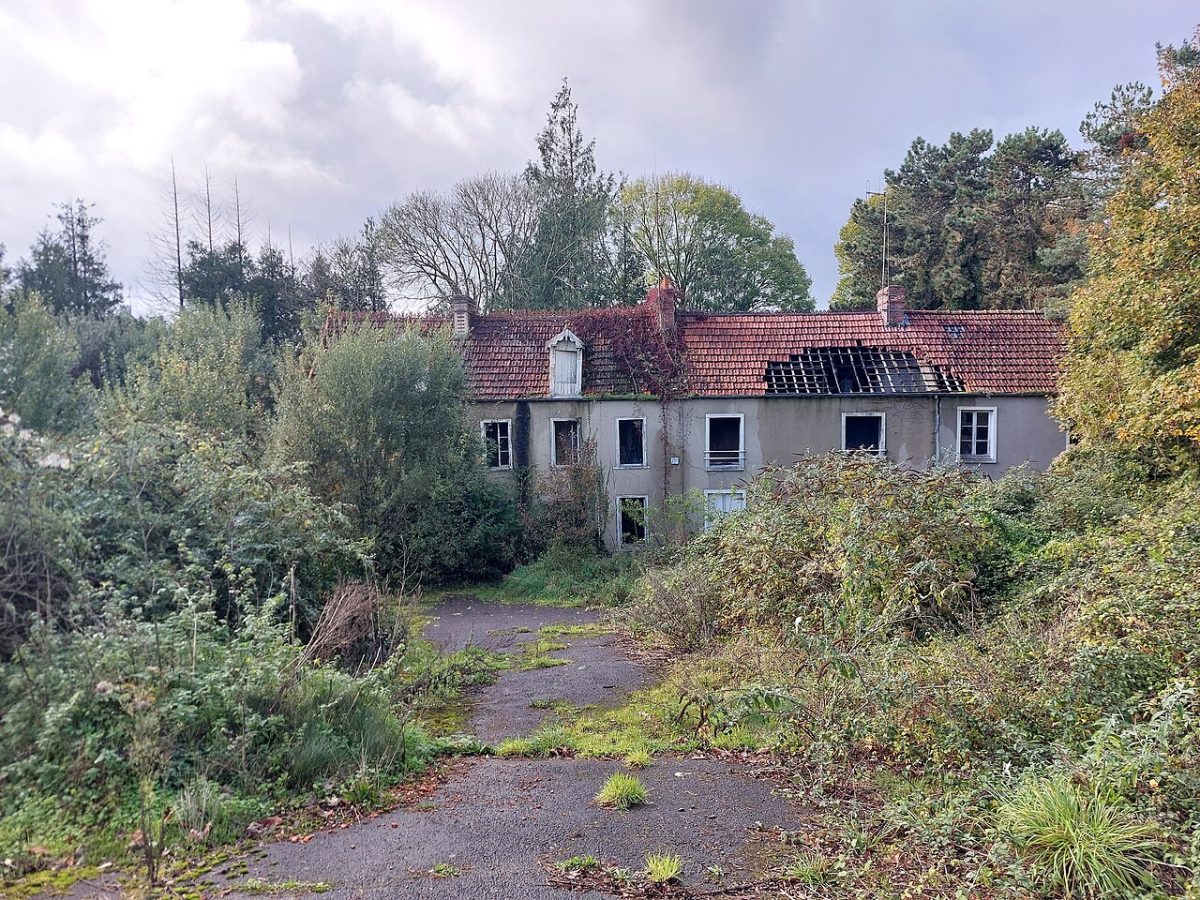
Loss of use coverage pays the extra living costs you face when a covered event makes your home temporarily uninhabitable while it is being repaired or rebuilt. On most policies it appears as Coverage D, and you may see it called additional living expenses, or ALE. Renters and condo policies usually include it as well.
The key word is extra. This coverage reimburses the difference between what you normally spend to live in your home and what it costs to live somewhere else. It does not pay your whole budget while you are displaced, and it does not pay for the repairs themselves, which come under the dwelling portion of the policy. Our guide to what homeowners insurance covers explains how the pieces fit together.
When It Kicks In, and When It Doesn’t
Coverage is usually triggered when the insurer’s adjuster determines that your home is not safe to live in, based on the condition of the house and whether basic services such as water, electricity and heat are available. A government-issued evacuation order can also trigger it, depending on the policy’s terms, which matters after wildfires when smoke contamination or downed power lines can make an area unsafe even if the house was barely touched.
The event that damaged your home also has to be a peril your policy covers.
- A tornado damages the house. Usually covered, so additional living expenses apply.
- A flood. Standard homeowners policies do not cover flood damage, and policies from the National Flood Insurance Program do not pay additional living expenses either.
- A power outage in the neighborhood with no damage to your home. Not covered.
- A voluntary move for renovations when you do not need to leave. Not covered.
What It Typically Pays For
Regulators list a fairly consistent set of eligible expenses: hotel bills or a short-term rental, meals beyond what you would normally spend on groceries, laundry, pet boarding, storage of your belongings, furniture rental for the temporary home, utility installation or connection fees there, and extra transportation costs if your commute to work or school becomes longer.
| Typically covered | Usually not covered |
|---|---|
| Temporary lodging, such as a hotel or rental home | Your normal mortgage or rent on the damaged home |
| Meals above your usual grocery budget | Your normal utility bills at the damaged home |
| Pet boarding, laundry and extra commuting mileage | Costs from an event your policy does not cover, such as a flood |
| Storage, furniture rental and utility connection fees | A neighborhood power outage when your home was not damaged |
| Extra transportation to work or school | Moving out voluntarily for renovations |
Equally useful is what this coverage does not do. You keep paying your normal mortgage or rent on the damaged home, along with your usual utility bills there. The coverage pays the increase in your costs, not the whole bill.
Smart tip
Keep every receipt and bill from the moment you leave the house. Some insurers require you to account for covered expenses, and good records make both the claim and any advance request easier.
An Illustration: How the “Extra Costs” Rule Works
Say a kitchen fire makes your home unlivable and you spend a week in a hotel, eating most meals at restaurants. Your food bill for the week is $600, while you normally spend about $300 a week on groceries. Loss of use coverage would reimburse the $300 difference, not the full $600. The same logic applies to housing: if a short-term rental costs $2,000 a month and your normal housing costs run $1,400, the claim would be for the $600 gap. These numbers are an illustration, not a quote.
How the Dollar Limits and Time Caps Work
Loss of use is not an open-ended check. Policies cap it with a dollar limit and, often, a time limit, and whichever runs out first ends the payments. The dollar limit is usually a percentage of dwelling coverage. State resources describe the typical range differently: Washington’s insurance commissioner puts it at 20 to 30 percent of dwelling coverage, while the Texas Department of Insurance says most policies pay 10 to 20 percent, and notes that a house insured for $200,000 with a 10 percent limit carries $20,000 of coverage.
On condo policies, the limit is often a percentage of your combined dwelling and personal property coverage; on renters policies it may be a flat amount, commonly between $3,000 and $5,000, or a percentage of your personal property limit. Time caps sit alongside the dollar limits. Most policies pay additional living expenses for up to about 12 months, or until you have used the dollar limit, whichever comes first.
Some states set longer minimums in specific situations. California law, for example, guarantees at least 24 months of additional living expenses after a state of emergency, with a 12-month extension for delays in reconstruction beyond the policyholder’s control, plus six-month extensions for good cause. A dollar limit can still run out before a time limit, which is why regulators suggest tracking spending against the cap from the first week. Reach the limit before the house is repaired, and the remaining costs are yours.
How It Differs for Landlords and Rental Properties
If you rent out a home, the parallel protection works differently. Most landlord policies include coverage for loss of rental income, sometimes shown as fair rental value, which pays you when tenants cannot occupy the property while covered repairs are underway. It replaces rent you would have collected rather than paying anyone’s hotel bill. Landlord policies generally cost about 25 percent more than a standard homeowners policy, and they are typically needed once you lease a property long term, since a standard homeowners policy may not cover losses while the home is rented out.
Short-term rentals of your own residence are a separate question: some insurers allow them with notice, others require an endorsement, and regular short-term letting may be treated as a business needing a different kind of policy.
How to Check What Your Own Policy Provides
Your declarations page lists the loss of use amount, usually labeled Coverage D. If the number is not clear, three questions are worth asking your insurer:
- What is my dollar limit, and what is it based on?
- Is there a time limit in addition to the dollar limit?
- What documentation do you need, and can I request an advance against my limit?
The advance question matters most in a total loss. Some insurers can issue advances against your ALE limit so you are not fronting the cost of a security deposit and first month’s rent, and can also advance against personal property coverage. Keeping the pools separate matters, because a personal property advance does not reduce the ALE funds you need for temporary housing.
Also confirm which perils your policy covers, because loss of use follows the same exclusions as the rest of the policy. If floods or earthquakes are excluded, it will not pay for temporary housing after those events either.
For the next steps after a loss, see our guide to filing a home insurance claim after storm damage and our hurricane season checklist. Water losses deserve special attention, so whether homeowners insurance covers water damage explains which water events are typically covered and which are not.
Questions we hear
Does loss of use coverage apply if my home is not damaged but I cannot live in it?
It can, depending on your policy. A government-issued evacuation order can trigger the coverage under some policies, and some policies pay if a covered peril cut off water, sewer or electricity service.
How long does additional living expenses coverage last?
Most policies pay for up to about 12 months, or until you use the dollar limit, whichever comes first. Some states set longer minimums in specific situations, such as California’s rules after a state of emergency.
What is the difference between loss of use and loss of rental income?
Loss of use on a homeowners policy pays your extra living costs. Landlord policies instead offer loss of rental income coverage, which replaces rent you would have collected while tenants cannot occupy the property during covered repairs.
Will flood insurance pay my hotel costs after a flood?
No. Policies from the National Flood Insurance Program do not pay additional living expenses, and standard homeowners policies do not cover flood damage at all.